
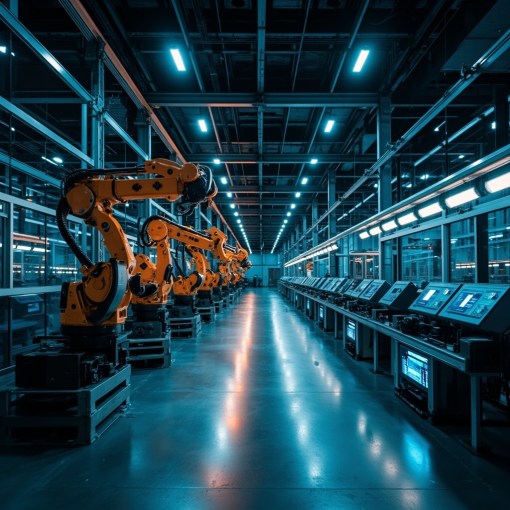
Factory lighting automation control represents one of the most significant advancements in modern industrial facility management, offering unprecedented opportunities for energy efficiency, worker productivity, and operational cost reduction. As manufacturing facilities continue to evolve toward smart factory concepts, automated lighting systems have become essential infrastructure that directly impacts both the bottom line and environmental sustainability goals. This comprehensive guide explores everything industrial facility managers, plant engineers, and manufacturing executives need to know about implementing and optimizing lighting automation in factory environments.
Understanding Factory Lighting Automation Control Systems
Factory lighting automation control encompasses the integration of sensors, controllers, software platforms, and intelligent fixtures that work together to manage illumination based on occupancy, natural light availability, time schedules, and specific production requirements. Unlike traditional manual lighting switches, automated systems continuously monitor environmental conditions and make real-time adjustments without human intervention, creating optimal lighting conditions throughout the facility while minimizing energy waste.
The fundamental architecture of these systems includes occupancy sensors that detect movement within designated zones, photocells or daylight harvesting sensors that measure ambient natural light levels, centralized control panels or programmable logic controllers (PLCs) that process sensor data and execute lighting commands, and networked communication protocols such as DALI, BACnet, or Zigbee that enable seamless integration with building management systems (BMS) and enterprise-level monitoring platforms.
Key Benefits of Implementing Lighting Automation
Manufacturing facilities that implement comprehensive lighting automation control systems experience substantial improvements across multiple operational dimensions. Understanding these benefits helps decision-makers build compelling business cases for investment and prioritize implementation phases strategically.
Energy Cost Reduction
Lighting typically accounts for 40-60% of electricity consumption in industrial facilities, making it the largest single category of energy use in many manufacturing environments. Automated lighting controls consistently deliver energy savings of 30-70% compared to conventional fixed lighting systems, depending on facility characteristics and system sophistication. These savings compound over the system’s lifetime, often recovering initial investment costs within two to four years while continuing to generate ongoing operational savings.
Conduct a comprehensive lighting audit before implementing automation systems. Identify all existing light fixtures, their wattages, operating hours, and current control methods. This baseline data is essential for accurately projecting energy savings, calculating return on investment (ROI), and designing an automation system that addresses your facility’s specific needs and layout.
Enhanced Worker Safety and Productivity
Proper illumination directly influences worker performance, error rates, and occupational safety. Automated systems maintain consistent lighting levels throughout work areas, eliminating the eye strain and fatigue associated with fluctuating or inadequate illumination. In precision manufacturing environments, proper lighting can reduce defect rates by ensuring workers can accurately identify product specifications, quality issues, and safety hazards. Additionally, automated emergency lighting systems ensure safe evacuation routes remain illuminated during power outages or emergencies.
Extended Equipment Lifespan and Maintenance Optimization
Smart lighting systems with predictive maintenance capabilities monitor fixture performance and notify facility managers when luminaires show signs of degradation before complete failure occurs. Dimming strategies that reduce light output during low-occupancy periods also extend lamp life significantly, often doubling or tripling effective service life. This proactive approach to maintenance reduces emergency repair costs, minimizes production disruptions, and optimizes maintenance crew scheduling.
Types of Lighting Control Technologies
Modern factory lighting automation employs various technologies, each offering distinct advantages suited to different applications and facility requirements. Selecting the appropriate technology combination ensures optimal performance and return on investment.
| Technology Type | Primary Application | Typical Savings | Best Suited For |
|---|---|---|---|
| Occupancy Sensors | Automatic ON/OFF control | 25-45% | Warehouses, storage areas, break rooms |
| Daylight Harvesting | Natural light integration | 20-60% | Facilities with skylights, perimeter zones |
| Task Tuning | Adjustable light levels | 15-35% | Assembly stations, inspection areas |
| Scheduling Systems | Time-based control | 10-30% | Multi-shift operations, perimeter security |
| Networked Controls | Centralized monitoring | 20-50% | Large facilities, campus environments |
Critical Components of Automated Lighting Systems
A comprehensive factory lighting automation system comprises multiple integrated components that work together to deliver intelligent, responsive illumination control. Understanding each element helps facility managers make informed procurement decisions and ensure proper system design.
- Sensors and Detectors: Occupancy sensors using passive infrared (PIR), ultrasonic, or dual-technology detection; photocells for ambient light measurement; temperature and humidity sensors in some advanced systems.
- Controllers and Gateways: Standalone programmable controllers, networked lighting controllers, BACnet or DALI gateways, and integration modules for BMS connectivity.
- Intelligent Luminaires: LED fixtures with built-in drivers, dimmable ballasts, and network connectivity for individual addressability and feedback.
- User Interfaces: Wall-mounted touchscreens, mobile applications, web-based dashboards, and software platforms for configuration and monitoring.
- Communication Infrastructure: Network switches, wireless access points, wiring infrastructure for wired protocols, and cloud connectivity options.
- Software Platforms: System configuration tools, monitoring and analytics dashboards, mobile apps, and integration middleware for enterprise systems.
Implementation Best Practices
Successful lighting automation implementation requires careful planning, proper design, and systematic execution. Following established best practices minimizes risks, reduces commissioning time, and ensures projected savings materialize.
- Define Clear Objectives: Establish specific goals for energy reduction, illumination quality improvements, and operational efficiency gains. Document measurable targets that can be verified after implementation.
- Engage Stakeholders Early: Involve production managers, maintenance teams, safety officers, and union representatives in planning phases to address concerns and ensure buy-in across the organization.
- Zone Strategically: Design lighting zones based on actual usage patterns, natural light availability, and task requirements rather than architectural boundaries. Smaller zones enable finer control but increase system complexity and cost.
- Ensure Network Security: Implement appropriate cybersecurity measures including network segmentation, encryption, access controls, and regular security updates to protect lighting systems from unauthorized access.
- Plan for Integration: Design the lighting system with building management system integration capabilities from the outset to enable future enhancements and comprehensive facility optimization.
- Document Thoroughly: Maintain comprehensive documentation of system architecture, programming parameters, sensor placement, and commissioning data for ongoing maintenance and future modifications.
- Train Maintenance Personnel: Provide comprehensive training for facility maintenance staff on system operation, troubleshooting, and programming adjustments to maximize system performance and reduce reliance on external contractors.
Industry-Specific Applications
Different manufacturing sectors have unique lighting requirements that influence automation system design and configuration. Tailoring solutions to specific industry needs ensures optimal performance and user acceptance.
| Industry Sector | Key Requirements | Recommended Features |
|---|---|---|
| Automotive Assembly | High uniformity, color accuracy | Task tuning, individual fixture control, BMS integration |
| Electronics Manufacturing | Consistent illumination, minimal flicker | High-frequency dimming, centralized monitoring, maintenance alerts |
|
Sign in
Create an Account
Shopping cart
close
|