Servo brake release methods are essential procedures used across industrial, automotive, and manufacturing applications to disengage braking systems safely and efficiently. Whether you’re performing maintenance, addressing a malfunction, or conducting a system reset, understanding the proper release techniques is critical for operational safety and equipment longevity. In this comprehensive guide, we’ll explore the most widely used servo brake release methods, their applications, and best practices for implementation.
Understanding Servo Brake Systems
A servo brake system is an advanced braking mechanism that uses an auxiliary power source—such as hydraulic pressure, pneumatic force, or electrical energy—to amplify the braking force applied by an operator. Unlike traditional mechanical brakes, servo brakes provide enhanced control, reduced operator effort, and consistent performance under varying load conditions. These systems are commonly found in heavy machinery, industrial robots, CNC equipment, elevators, and modern vehicle braking systems.
The release mechanism is the opposite of the engagement process. While engaging the brake typically involves applying force to clamp or resist movement, releasing requires a controlled method to disengage the braking element safely. The method used depends on the brake type, application environment, and safety requirements.
Why Brake Release is Necessary
Servo brake release is required in several scenarios, including:
- Routine Maintenance: Allowing technicians to service brake pads, discs, and hydraulic components.
- Emergency Situations: Releasing brakes that have failed in the engaged position to prevent equipment damage.
- System Calibration: Adjusting brake timing and pressure settings during commissioning.
- Transport and Storage: Engaging or releasing parking brakes during equipment relocation.
- Troubleshooting: Diagnosing issues related to brake drag, sticking, or incomplete release.
Common Servo Brake Release Methods
Several proven methods exist for releasing servo brakes, each suited to specific applications and system designs. Below are the most widely used approaches in modern industry.
1. Manual Mechanical Release
Manual mechanical release uses a hand-operated lever, screw, or cam mechanism to physically disengage the brake. This method is often used as a fail-safe backup when primary systems fail or during power outages. It is commonly found in industrial press brakes, elevators, and machine tools where safety regulations require a manual override.
2. Hydraulic Pressure Release
In hydraulically-actuated servo brakes, release is achieved by either relieving hydraulic pressure or applying counter-pressure to the brake actuator. Spring-applied, hydraulically released (SAHR) brakes use spring force to engage and hydraulic pressure to release. This is one of the safest configurations because the brake automatically engages if hydraulic pressure is lost.
3. Pneumatic Release
Pneumatic servo brakes use compressed air to actuate the release mechanism. By introducing controlled air pressure to the brake actuator, the spring-loaded brake is released, allowing free movement. This method is popular in automotive air brake systems and large industrial equipment where compressed air is readily available.
4. Electrical/Electromagnetic Release
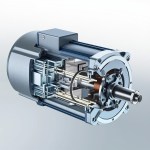
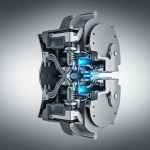
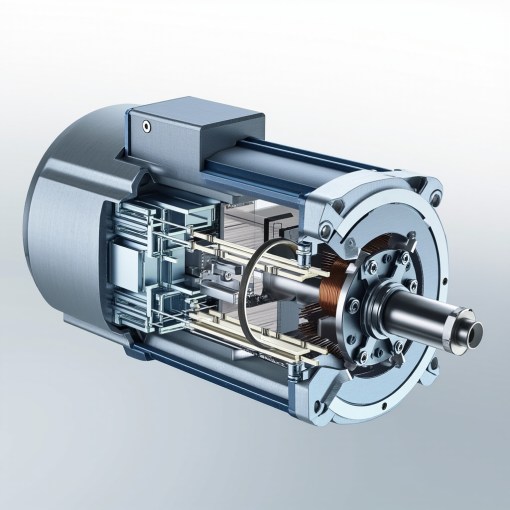
Electromagnetic brakes are released by energizing a coil that generates a magnetic field, which overcomes the spring force holding the brake engaged. When power is removed, the spring re-engages the brake—making this a fail-safe design ideal for robotics, conveyor systems, and CNC machinery.
5. Software-Controlled Electronic Release
Modern servo systems integrate electronic control units (ECUs) that manage brake release through programmed logic. This method provides precise timing, adjustable release profiles, and integration with safety circuits. It’s widely used in automated manufacturing, electric vehicles, and aerospace applications.
Comparison of Servo Brake Release Methods
The table below summarizes the key characteristics of each release method to help you choose the right approach for your application.
| Method | Energy Source | Release Speed | Fail-Safe | Typical Application |
|---|---|---|---|---|
| Manual Mechanical | Human force | Slow | Yes | Elevators, machine tools |
| Hydraulic | Hydraulic fluid pressure | Fast | Yes (SAHR) | Heavy machinery, vehicles |
| Pneumatic | Compressed air | Fast | Yes | Trucks, industrial brakes |
| Electromagnetic | Electrical current | Very fast | Yes (spring-applied) | Robotics, motors |
| Electronic Control | Programmed ECU | Variable/precise | Configurable | EVs, automated systems |
Step-by-Step Manual Release Procedure
When performing a manual servo brake release, follow these steps to ensure safety and proper execution:
- Isolate the power source: Disconnect electrical, hydraulic, or pneumatic energy to prevent accidental re-engagement.
- Secure the equipment: Use chocks, blocks, or supports to prevent uncontrolled movement once the brake is released.
- Verify lockout/tagout (LOTO): Apply OSHA-compliant lockout procedures to ensure no one can energize the system during work.
- Locate the manual release: Identify the manual override lever, bolt, or fitting specified by the manufacturer.
- Apply controlled force: Slowly actuate the release mechanism, monitoring for resistance or unusual sounds.
- Confirm full release: Visually and physically verify that brake components are no longer in contact.
- Document the process: Record the release in your maintenance log, noting time, reason, and personnel involved.
⚠️ Safety Warning: Always assume that any stored energy—hydraulic pressure, compressed air, or spring tension—may cause sudden movement. Never place hands or tools near brake components during release, and never bypass safety interlocks. Improper brake release can result in severe injury, equipment damage, or fatal accidents. Always consult the manufacturer’s documentation and follow your facility’s safety protocols.
Best Practices and Maintenance Tips
To maximize the reliability of your servo brake release procedures, consider these expert recommendations:
- Schedule regular inspections: Inspect release mechanisms monthly for wear, corrosion, or contamination.
- Keep documentation current: Maintain updated schematics, manuals, and procedural checklists near equipment.
- Train personnel thoroughly: Ensure all operators are certified in proper brake release techniques and LOTO procedures.
- Use OEM-approved parts: Replacement components should always meet or exceed original specifications.
- Monitor release timing: Track how long release takes—delays often indicate worn components or contamination.
- Test emergency releases: Periodically actuate emergency release systems to confirm functionality.